
Empires come, empires go. It’s a law of history.
Read MoreAnother Bad Day for the Spanish Navy
Another Bad Day for the Spanish Navy
By Lawrence W. Reed
As I write this, I am enjoying the sixth of eight days in Spain. After all the churros-in-chocolate, suckling pig, Spanish omelets, Manchego cheese, and delectable local vermouths and red wines, I am ready hacer dieta* but that awaits my return home.
Touring Madrid, Toledo, Segovia and Avila this week has been a non-stop delight, especially amidst picture-perfect weather every day—cool, dry and sunny. But today (April 25), I go to work, delivering remarks on “Heroes for Liberty” and “Faith and Freedom” to many hundreds of students at LibertyCon, billed by ESFL (European Students for Liberty) as Europe’s largest annual pro-liberty event. I expect to see many good friends from all over the continent, particularly a large delegation from Poland. (Stay tuned to this page because later today, I will post my remarks on the second talk regarding faith and freedom.)
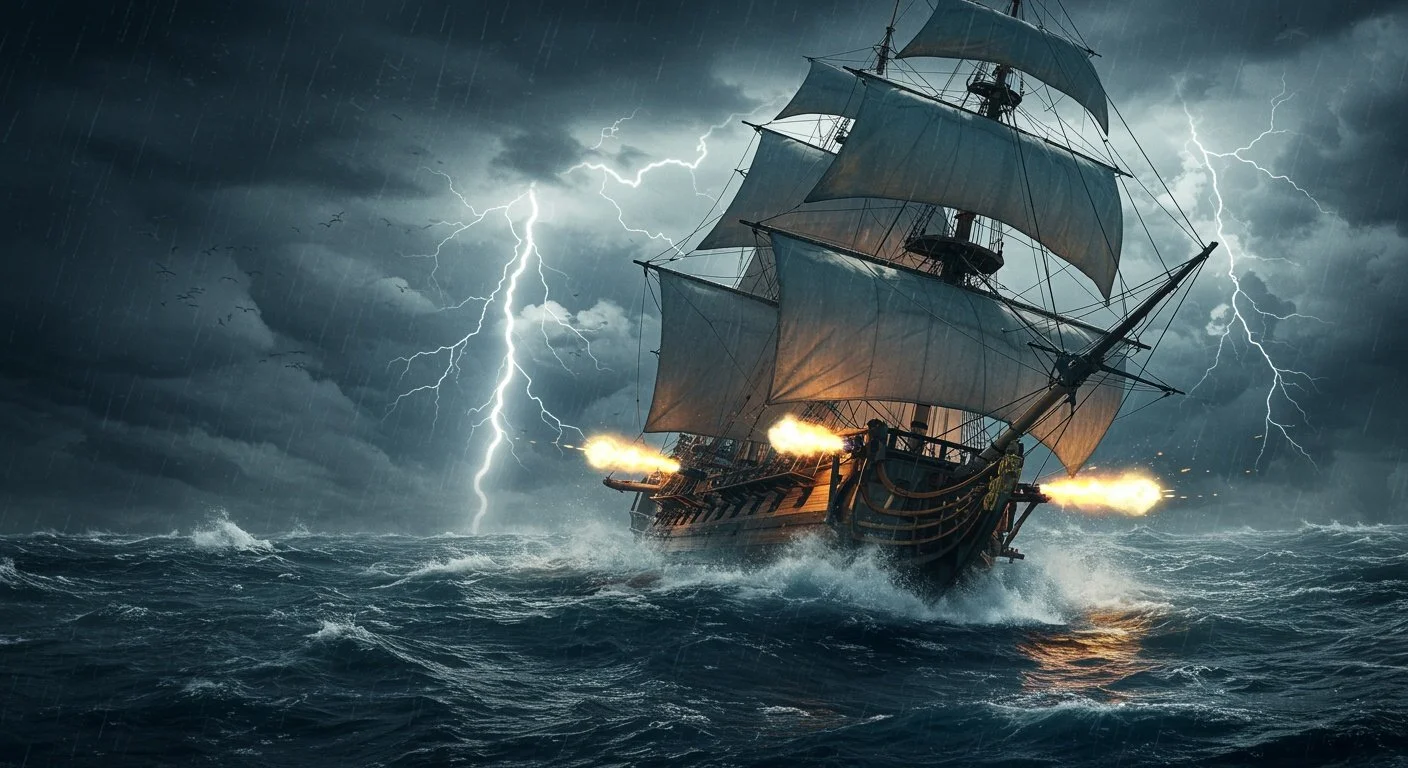
April 25 is otherwise not known in history as a lucky day for Spain. Indeed, a little over four centuries ago—on April 25, 1607—a significant portion of the Spanish Navy under King Philip IV was wiped out by the tiny Dutch Republic in the Bay of Gibraltar.
In 1607, memories in Spain of a previous naval disaster were still fresh. Just 19 years earlier, Philip II dispatched his armada to invade England, only to see it demolished by Mother Nature (bad weather) and the Royal Navy of Elizabeth I. In that debacle, Spain lost two dozen of its vaunted ships and thousands of men. That was in August 1588, only four months after provinces of the Spanish Netherlands revolted against Madrid and formed the Dutch Republic.
For two hundred years (until 1795) the remarkable Dutch Republic built an overseas empire and extended its trade and influence to every corner of the world, thanks largely to a relatively free, entrepreneurial, and flourishing economy at home. It was also one of the most religiously tolerant states of Europe.
Nonetheless, for a fledgling country only a generation old to take on the Spanish fleet and win big was no small feat. The seriously inbred Habsburg family that had ruled Spain for nearly a century did not want to let go of its possessions in the Netherlands. But the Battle of Gibraltar on April 25, 1607, ended those ambitions forever. The Dutch surprised a fleet of 21 Spanish ships and, depending on the sources, destroyed either all or the great majority of them. Madrid subsequently recognized the Dutch Republic as an independent nation.
The Spanish Empire was once one of the largest in the world. Within a few decades of its naval defeat by the Dutch, and beset with political instability at home, it commenced a decline that would see it become a shadow of its former self by the early 19th century.
Empires come, empires go. It’s a law of history. Concentrations of power offer many lessons beyond the scope of this article but this much is incontestable: They don’t last forever.
(Postscript: Madison and Alexander Hamilton addressed the flaws of the Dutch Republic’s government in Federalist #20.)
*to go on a diet
For additional information, see:
The Rise of the Dutch Republic: From Sea Beggars to a Global Powerhouse
True Freedom and the Dutch Tradition of Republicanism by Catherine Secretan
The Daring Naval Clash: Battle of Gibraltar by Martin Sparks
(Lawrence W. Reed is President Emeritus, Humphreys Family Senior Fellow, and Ron Manners Global Ambassador for Liberty at the Foundation for Economic Education in Atlanta, Georgia. He blogs at www.lawrencewreed.com.)