One of history’s most infamous con artists was born in the little town where I now live—Newnan, in Coweta County, Georgia. And we’re not proud of him. He departed this world on this very date, July 7, in 1898.
Read MoreGlad He Left Town
Glad He Left Town
by Lawrence W. Reed
Born in 1860, Newnan native Jefferson Randolph (“Soapy”) Smith II departed Coweta County for Round Rock, Texas at the age of 16. This was very good news for us—his departure, that is.
Soapy’s great-grandson Jeff Smith penned a fine 600-page biography of his ancestor in 2009, titled “Alias Soapy Smith: The Life and Death of a Scoundrel.” In it, he writes that “Jeff’s future exploits brought so much shame and disgrace to his kin in Coweta County that his name was erased from birth records in the family Bible. The eraser marks can be faintly seen to this day.”
Recently I was stunned to discover that Amazon carries no fewer than a dozen biographies of Soapy, including the one by his great-grandson.
The guy proved to be as crooked as a dog’s hind leg. For most of the 20 years he lived after exiting our fair county, he ripped off untold numbers of unsuspecting citizens. He became, in the words of one biographer, “the Wild West’s most infamous con artist.”
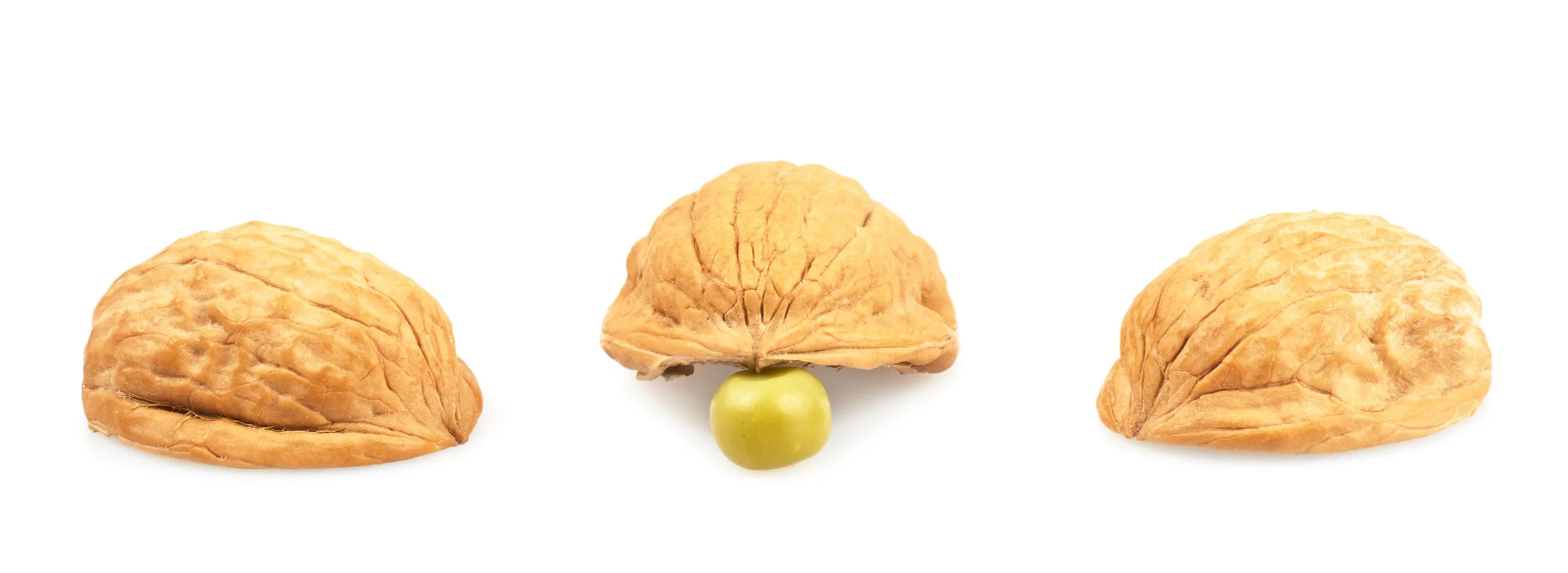
For a couple years in Texas, Soapy pursued an honest living as a cowhand, helping to drive herds of longhorns. But when a circus came to town, he witnessed his first “shell game” and it changed his life—and ultimately made it shorter than it might otherwise have been. A man behind a table placed a pea under a half a walnut shell, next to two other half-shells, slid them around and then dared passersby to pick the one that had the pea under it—for a price, of course. The young Smith was mesmerized.
Soapy decided at that very moment that he had missed his calling. Conning people out of their money seemed more promising than chasing cattle, and he figured he could do it better than the guy with the walnut shells.
His very nickname itself derived from one of his earliest and most successful cons. In Leadville, Colorado, he started selling bars of soap for the outrageous price of one dollar. People bought them because the slick-talking Smith promised that beneath the wrappings of some of the bars were 5-dollar, 10-dollar, even 20-dollar bills. Amongst the crowd, he planted a few of his friends who would buy bars of the soap, unwrap them and exclaim, “I got me a 20-dollar bill!” Or, “Look at the ten dollars I just found in my soap!” The rest of the story is summed up in the old saying, “There’s a sucker born every minute.”
In the 1880s, Soapy moved to Denver, where he built up a sizable team of ne’er-do-wells into a full blown “Soap Gang.” They ran con games of every variety all over town, bilking the unsuspecting of their hard-earned money. Local authorities would look the other way because under the table, Soapy had put them on his payroll. When the jig was up and the Gang was run out of town, Soapy made his way to Skagway, Alaska to build another criminal empire.
And that’s where Soapy met his end, shot at age 37 by one of the many disgruntled citizens he likely cheated. It was July 7, 1898. The people of Skagway insisted his body be buried unceremoniously just outside of town.
Yes, we can be happy that Soapy left Newnan.