
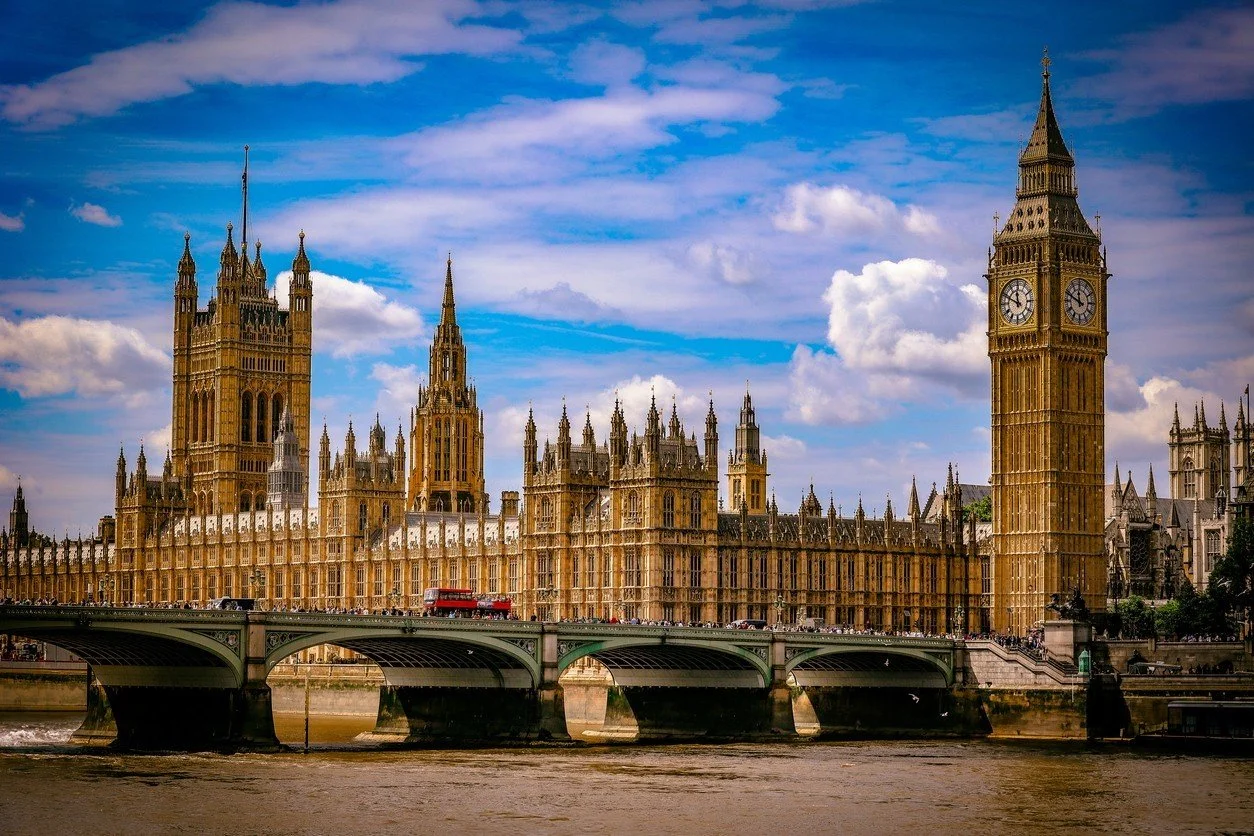
Wilkes, Pitt, Barré, Burke, and Fox: These are the names of great British parliamentarians who defended America when few of their colleagues could muster the courage to do so. They should forever be an important part of the story of America’s creation.
Read MoreAmerica's Friends in Parliament
America’s Friends in Parliament
By Lawrence W. Reed
English subjects trembled at the wrath of the king or queen during a thousand years of some 60 monarchs. Fall out of favor with the Crown one day and you could be gone the next. Seeds of liberty were planted when nobles forced King John to sign the Magna Carta in 1215, but the journey to freedom from royal despotism was just beginning. There would yet be the Petition of Right (1628), the Glorious Revolution and the English Bill of Rights (1689), and numerous exertions by people and Parliament to diminish the powers of a once-absolute monarchy.
America’s Founders frequently referred to King George III as a “tyrant” but by his time, English liberty had sufficiently advanced that George appears tame compared to most of his predecessors. On the matter of his war against England’s former colonies, the King faced powerful dissenting voices in Parliament. The fact that none of them faced the gallows is testament to the progress of English liberty and the constraints foisted upon the monarchy. Boisterous opposition from these men raised eyebrows at the time and deserve to be remembered today.
Who were America’s best friends in Parliament during our War for Independence (1775-1783)? I’ll tell who the major ones were in a moment, but first a word about a friend whose tenure at Westminster preceded the war. His name was John Wilkes (1726-1797).
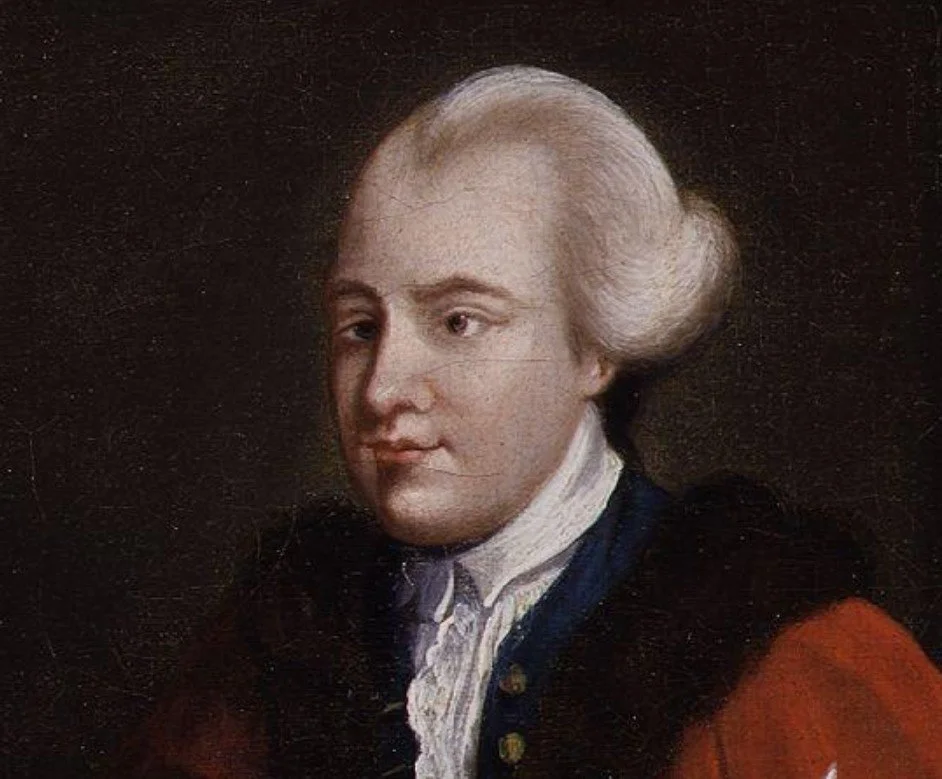
Hated by George III, who once had him arrested on charges of sedition, John Wilkes served in the British Parliament twice: 1757–1764 and 1768–1770. His political philosophy can be described as both libertarian and libertine, as I explained in a 2023 essay. He championed civil liberties and small government and often did so with an acid tongue. His radicalism shifted the Overton Window, which made the radicals who came after him seem moderate by comparison. As Lord Mayor of London in 1775, Wilkes actively supported the American cause both openly and surreptitiously. He secretly helped supply French arms to American patriots and used his political position to provide intelligence and other support to them. This was high treason, but Wilkes was canny enough to avoid being caught.
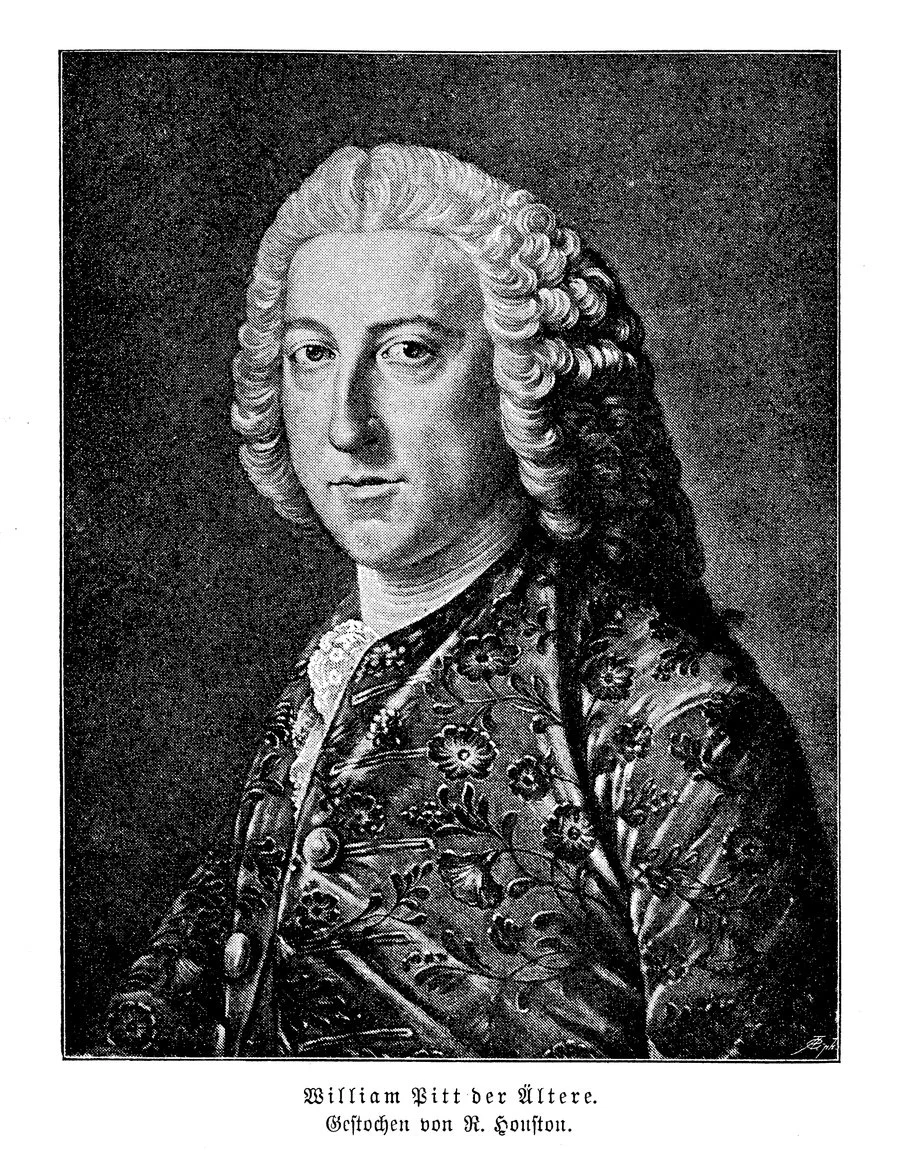
William Pitt the Elder (1708-1778) served in the British Parliament from 1735 until his death in 1778, an amazing total of 43 years. As Prime Minister twice, he masterminded Britain’s defeat of the French in the Seven Years’ War.
In 1766, Pitt rose to defend American colonists in the dispute with Parliament’s hated Stamp Act. “I rejoice that America has resisted,” he declared. “Three million people so dead to all feelings of liberty as voluntarily to submit to be slaves would have been fit instruments to make slaves of the rest [of us].”
Perhaps the greatest oration of his life was the one Pitt delivered in the House of Lords on January 20, 1775, at age 66. He condemned the Coercive Acts enacted by Parliament the previous year. Aimed at punishing Massachusetts in general and Boston in particular for the famous Tea Party protest, the Acts ended local self-government and inhibited colonial commerce.
Pitt demanded to know how and why “an Englishman can be deprived of the bread he eats without his consent?” He praised the patriots in America’s Second Continental Congress who, he declared, “seemed more alive to the true spirit of English liberty than the Lords of the realm gathered in these hallowed halls.” He became a hero to Americans when they learned he boldly warned his parliamentary colleagues,
Woe be to him who sheds the first—the inexpiable—drop of blood in an impious war with a people contending in the great cause of public liberty. I will tell you plainly, my Lords: No son of mine, nor any one over whom I have influence, shall ever draw his sword upon his fellow subjects…
I trust it is obvious to your Lordships that all attempts to impose servitude [on the American colonists], to establish despotism over such a mighty continental nation, must be in vain, must be fatal. We shall be forced ultimately to retract, while we can, not when we must. I say we must necessarily undo these violent and oppressive Acts. They must be repealed!
Pitt died in 1778, so he never knew the outcome of the hostilities between Britain and America, but he would have been neither surprised nor disappointed by who won.
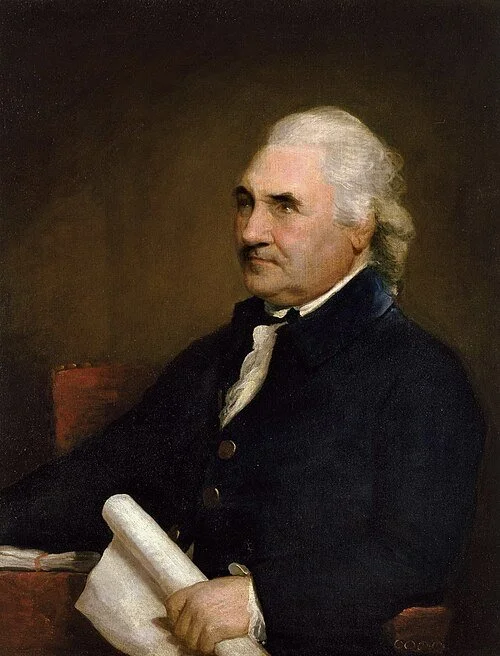
Isaac Barré (1776-1802) served in the British Parliament for nearly 30 years, from 1761 to 1790, a period which included the entire War for Independence. When the infamous Stamp Act passed Parliament in 1765, a full decade before the war started, Barré defended the fierce American opposition. In so doing, he employed a phrase that became famous across the Atlantic: he described Americans as “sons of liberty.” Samuel Adams seized upon the phrase and christened his new resistance organization the “Sons of Liberty.”
Fellow MP Charles Townshend declared that the colonies should “contribute to the mother country which had planted, nurtured and indulged them.” Barré’s rebuttal was ferocious:
They planted by your care? No! Your oppression planted them in America. They fled from your tyranny to a then uncultivated and unhospitable country where they exposed themselves to almost all the hardships to which human nature is liable….
They nourished by your indulgence? They grew by your neglect of them. As soon as you began to care about them, that care was exercised in sending persons to rule over them, in one department and another, who were perhaps the deputies of deputies to some member of this house, sent to spy out their liberty, to misrepresent their actions and to prey upon them; men whose behaviour on many occasions has caused the blood of those sons of liberty to recoil within them....
Barré demanded repeal of the Stamp Act. Resistance from Americans (notably a boycott of British goods) forced Parliament to annul the Act a year after its passage. Then when Parliament declared it still possessed the right to directly tax Americans if it chose to do so again, Barré embraced the American battle cry, “No taxation without representation!”
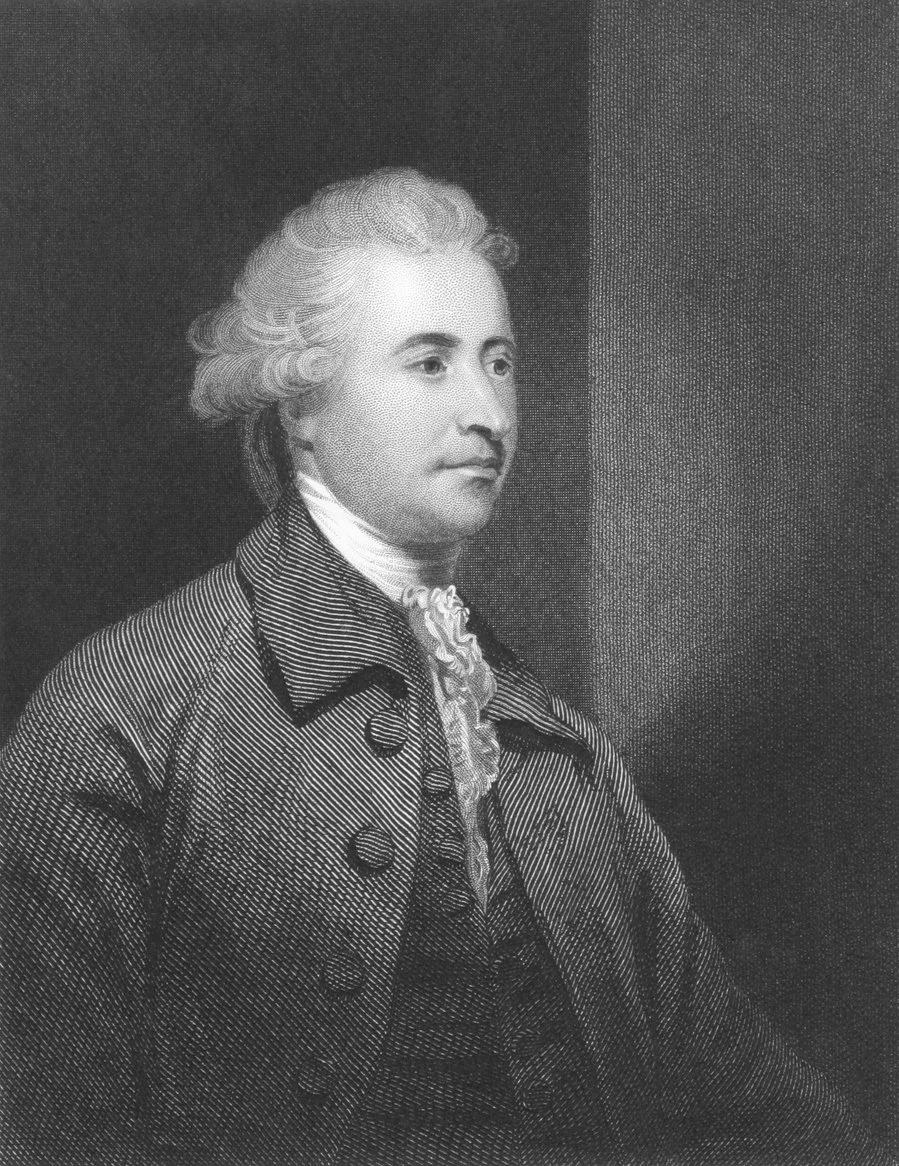
Edmund Burke (1729-1797) served in the British Parliament for three decades, from 1765 until his retirement in 1795. A philosopher and author, he is perhaps best known for his denunciation of the violent collectivism of the French Revolution of the 1790s, but he earned a reputation as a principled friend of America thirty years earlier. He opposed the Stamp Act in his first year as a parliamentarian. Then nine years later, just months before the battles of Lexington and Concord, he rose in Parliament to deliver an eloquent appeal. He urged that London leave the colonists alone on the all-important issue of “taxation without representation”:
Do not burden them with taxes…. But if intemperately, unwisely, fatally, you sophisticate and poison the very source of government by urging subtle deductions, and consequences odious to those you govern, from the unlimited and illimitable nature of supreme sovereignty, you will teach them by these means to call that sovereignty itself in question…. If that sovereignty and their freedom cannot be reconciled, which will they take? They will cast your sovereignty in your face. No body of men will be argued into slavery.
War with America, in Burke’s view, could only lead to disaster. Even if Britain were successful, it would come at a great cost in lives, treasure, and goodwill. “The use of force alone is but temporary,” he warned. “It may subdue for a moment; but it does not remove the necessity of subduing again: and a nation is not governed, which is perpetually to be conquered.” He openly declared that to support the war was to “wish success to injustice, oppression and absurdity.”
Burke criticized the overreach of government in all spheres, arguing that treating people as pawns of power only bred violence and disorder. “People crushed by law,” he reasoned, “have no hopes but from power. If laws are their enemies, they will be enemies to laws; and those who have much to hope and nothing to lose, will always be dangerous.”
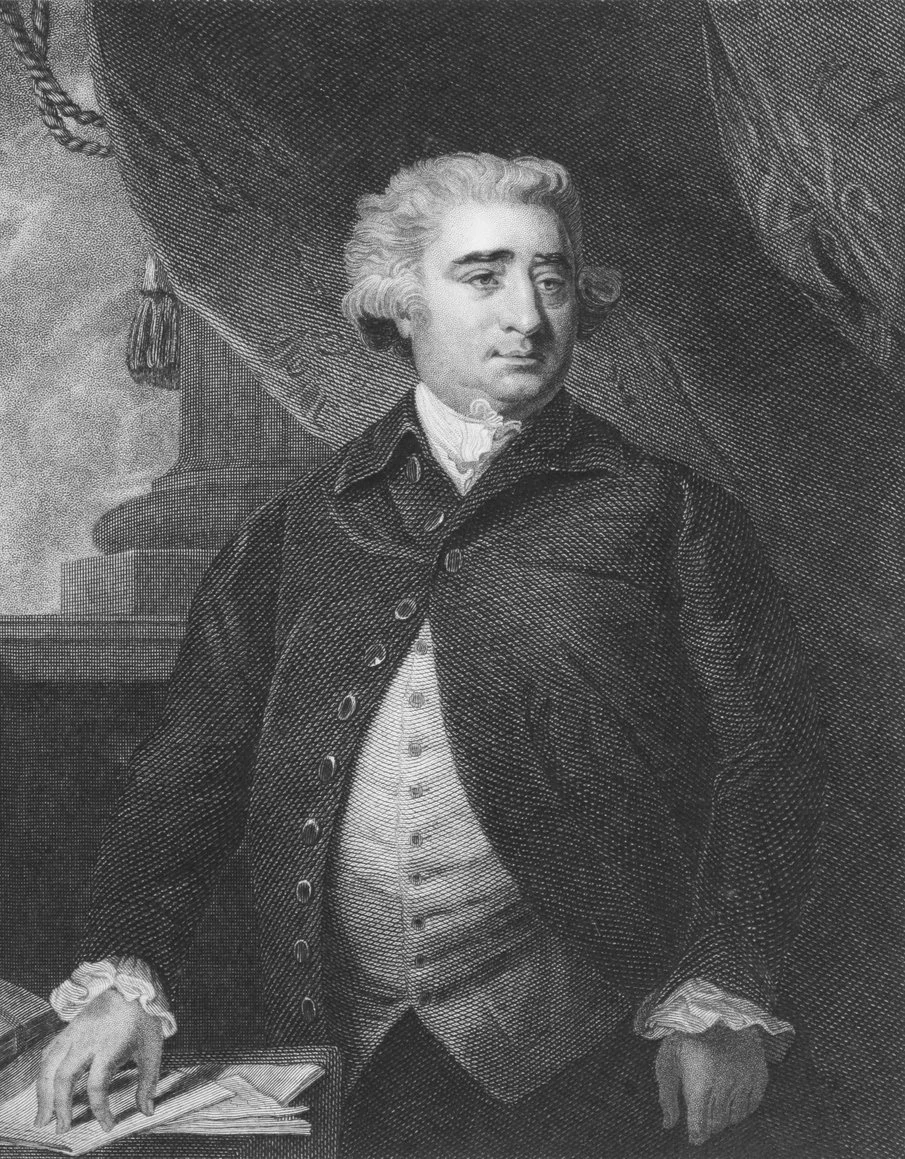
Charles James Fox (1749-1806) began his 38-year career in the British Parliament at the age of 19 in 1768. He held his post until his death in 1806. He was so radically opposed to King George III and in favor of the American cause that he often wore (in Parliament, no less!) the colors of George Washington’s Continental Army (buff and blue). Historian Jim Powell writes of him,
Again and again, Fox hammered the ministry of Lord North. In 1775, Fox denounced the suspension of Habeas Corpus, a bulwark of civil liberties. On February 2, 1777, he warned that Britain would lose the war and that sending over more troops could leave Britain defenseless against France. Two years later, French and Spanish fleets cruised menacingly through the English Channel. After the British surrender at Yorktown, Fox insisted that recognition of American independence must be given unconditionally, not made a price of peace.
Fox hated George III, suspecting that the King harbored a desire to thwart English liberties and revert to a monarchy as absolute as he could secure. But it would be a mistake to suggest that Fox was animated by personal dislike of George III alone. He staunchly supported free trade, civil liberties, and the abolition of slavery. His support of American independence was the natural expression of his deep-seated love for liberty itself. In a speech in the House of Commons in November 1778, Fox opined,
The war of the Americans is a war of passion; it is of such a nature as to be supported by the most powerful virtues, love of liberty and of country, and at the same time by those passions in the human heart which give courage, strength, and perseverance to man: the spirit of revenge for the injuries you have done them, of retaliation for the hardships inflicted on them, and of opposition to the unjust powers you would have exercised over them; everything combines to animate them to this war, and such a war is without end; for whatever obstinacy enthusiasm ever inspired man with, you will now have to contend with in America: no matter what gives birth to that enthusiasm, whether the name of religion or of liberty, the effects are the same; it inspires a spirit that is unconquerable, and solicitous to undergo difficulties and dangers; and as long as there is a man in America, so long will you have him against you in the field.
Wilkes, Pitt, Barré, Burke, and Fox: These are the names of great British parliamentarians who defended America when few of their colleagues could muster the courage to do so. They should forever be an important part of the story of America’s creation.
For additional information, see:
John Wilkes, Hero of Liberty by Lawrence W. Reed
William Pitt, the Prime Minister Who Tried to Prevent War with America by Lawrence W. Reed
Edmund Burke: Eloquence and Conviction by Lawrence W. Reed
Edmund Burke’s Little-Known Speech by Lawrence W. Reed
America at 250: The Britons Who Supported the War of Independence by Tom Cutterham
Revolution by Eric Metaxas
Charles James Fox, Valiant Voice for Liberty by Jim Powell